
Transformer Knowledge Base & Buying Guides
Transformer Rectifiers for Electroplating: Choosing Amps and Volts by Process
Amps and volts are not two columns of the same table. Amps set how much metal lands on…
Read more →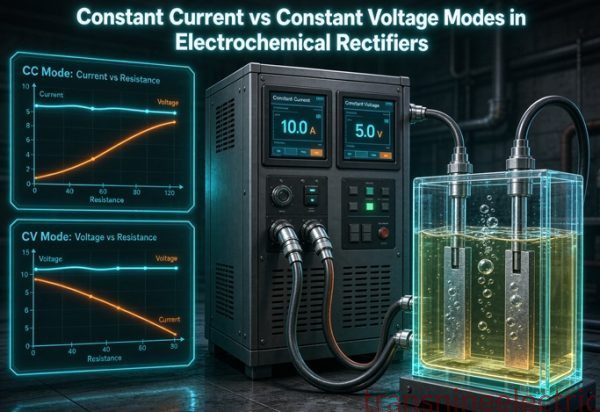
Constant Current vs Constant Voltage Modes in Electrochemical Rectifiers
If you are comparing rectifiers and the spec sheet says “CC/CV,” you have probably hit the same confusion…
Read more →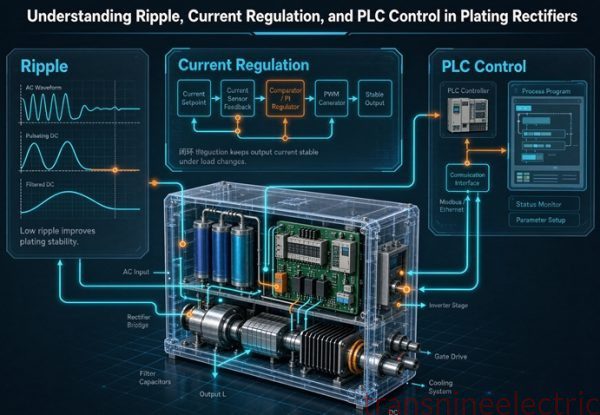
Understanding Ripple, Current Regulation, and PLC Control in Plating Rectifiers
In a plating rectifier, ripple is the unwanted AC left in the DC output, current regulation is how…
Read more →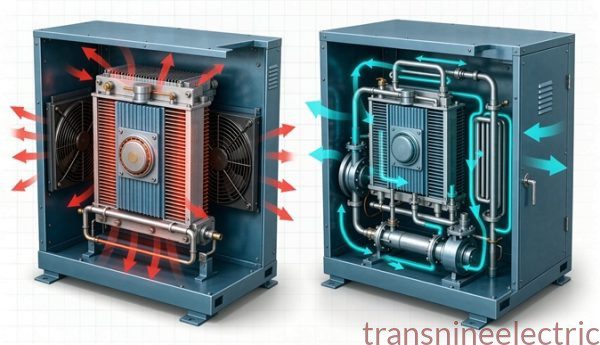
Air-Cooled vs Water/Oil-Cooled Rectifier Units: Which to Choose
Pick air cooling for small-to-mid, clean, well-ventilated shops; water cooling for high-power, continuous, or hot-ambient duty; and oil…
Read more →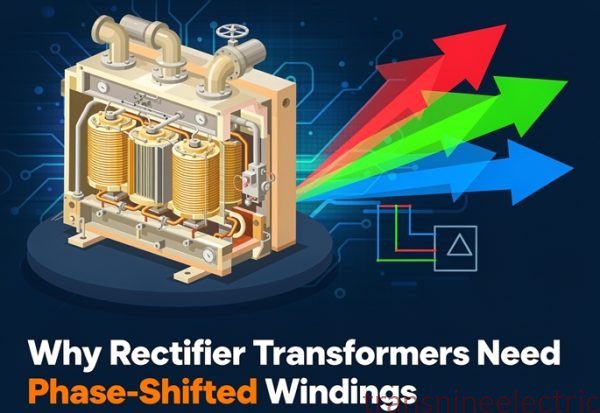
Why Rectifier Transformers Need Phase-Shifted Windings
A 6 pulse bridge cannot cancel its own harmonics. Two windings 30 degrees apart put its 6th DC…
Read more →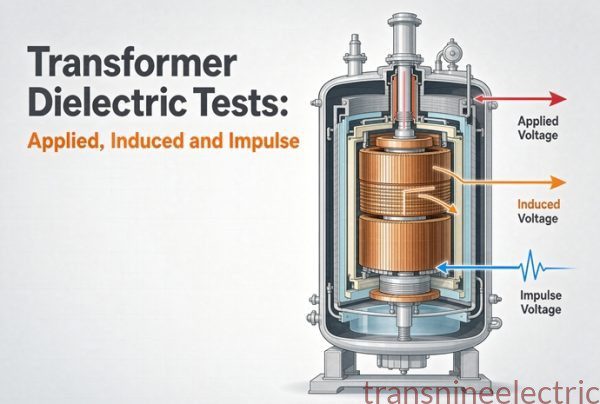
Transformer Dielectric Tests: Applied, Induced and Impulse
Transformer dielectric tests confirm that a transformer’s insulation can survive the over-voltages it will meet in real service,…
Read more →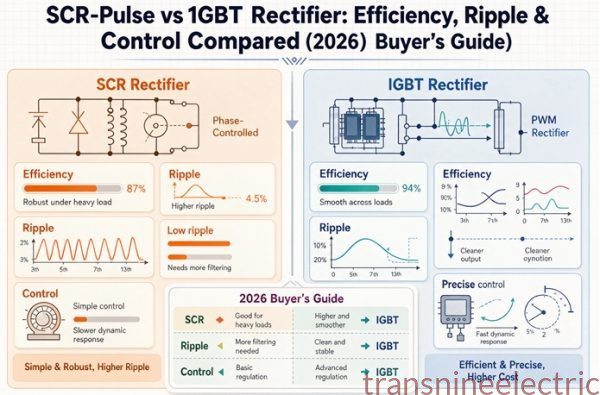
SCR vs IGBT Rectifier: Efficiency, Ripple & Control Compared (2026 Buyer’s Guide)
An SCR rectifier switches at line frequency (50/60 Hz) and controls output by delaying its firing angle —…
Read more →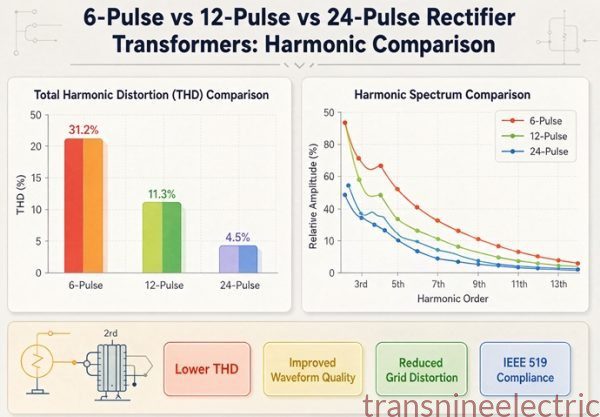
6-Pulse vs 12-Pulse vs 24-Pulse Rectifier Transformers: Harmonic Comparison
Pulse number is not a harmonic limit. An ideal 6 pulse bridge draws 31.08 percent current THD, a…
Read more →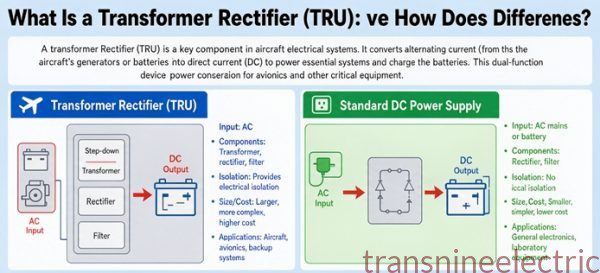
Transformer Rectifier vs Standard DC Power Supply: Key Differences
A plain-English buyer’s guide for specifiers, procurement engineers, and anyone weighing an industrial AC-to-DC system against a shelf…
Read more →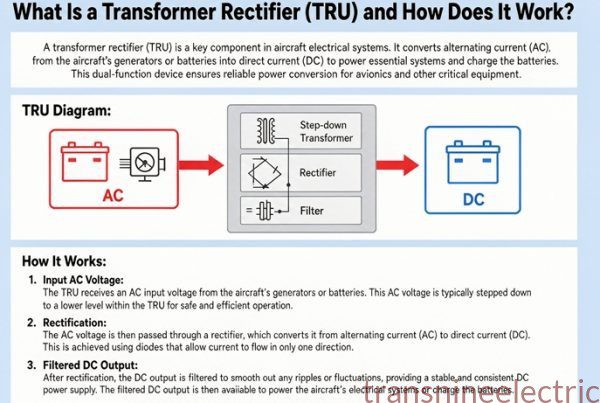
What Is a Transformer Rectifier (TRU) and How Does It Work?
A Transformer Rectifier Unit (TRU) is a compact, self-contained converter that takes AC power — usually three-phase, such…
Read more →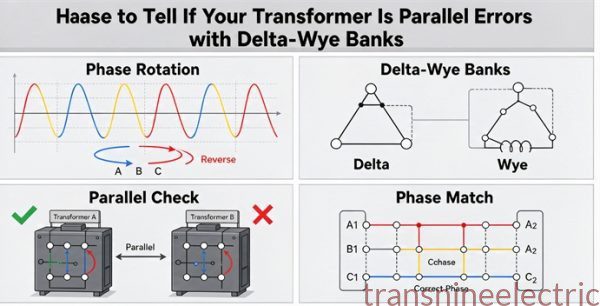
Phase Rotation and Parallel Errors with Delta-Wye Banks
Phase rotation and parallel errors with delta-wye banks occur when two transformers on the same bus disagree on…
Read more →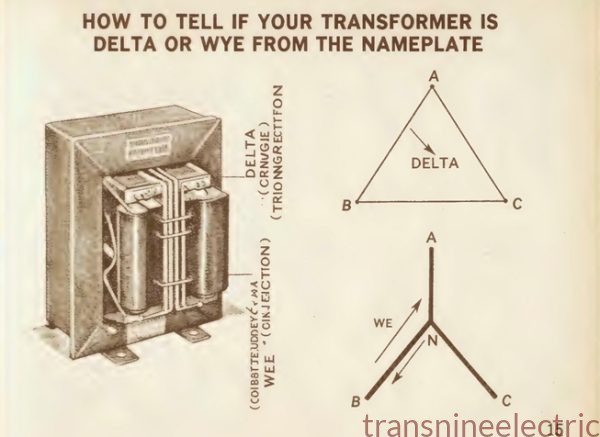
How to Tell If Your Transformer Is Delta or Wye from the Nameplate
Check the connection marking on the nameplate first. A “Y”, “Wye”, “Dyn11”, or a slash voltage like “480Y/277”…
Read more →